home · Where the <em>heart meets the leaf</em> — Chinese tea and the cardiovascular system
Cardiovascular research
Cardiovascular meta-analyses 2024 — what the latest review found
Shēnxuèguǎn zōngshù pínggū 2024 · 心血管荟萃分析2024
A wave of 2024 meta-analyses re‑examined tea’s link to heart health — from blood‑pressure lowering to endothelial function. Chen Hui Yi unpacks what the Chinese tea drinker can take from the evidence, and where the studies still cloud the cup.
Every few years, the literature on tea and cardiovascular health swells to the point where meta‑analysts must sort the signal from the noise. The year 2024 brought at least three major umbrella reviews and a handful of dose–response meta‑analyses that refined estimates of how tea affects blood vessels, blood pressure, and serum lipids — and who might benefit most. Many of these papers pooled data from cohorts totalling well over a million participants, and some explicitly separated green, black, and — for the first time in large numbers — oolong tea drinkers. For the Chinese tea community, this matters: the distinction between lǜ chá (green tea) and wūlóng chá (oolong tea) or hēi chá (dark tea) is not just a tasting note, it’s a pharmacological one. The question that hangs in the steam is whether the meta‑analyses collectively shift what a tea expert can responsibly share with a wellness‑curious audience, without entering the territory of medical advice. This article walks through that question, drawing on the numbers, the brewing chemistry we actually measure in the cup, and the cautions that the finest systematic reviews usually keep in their discussion sections.
The 2024 umbrella review — sharper numbers, still modest effects
The most comprehensive paper to land in 2024 was an umbrella review by Zhang et al. in the European Journal of Epidemiology (2024;39:123‑138). It consolidated 23 previous meta‑analyses covering 1.3 million participants and examined endpoints from stroke to coronary heart disease to hypertension incidence. The headline: habitual tea consumption was associated with a 9 % lower risk of stroke (RR 0.91, 95 % CI 0.86‑0.96) and an 8 % reduction in coronary heart disease mortality (RR 0.92, 95 % CI 0.87‑0.98) when comparing the highest‑intake category — typically ≥3 cups per day — against the lowest. For blood‑pressure measures, Li et al. (BMJ Open 2024;14:e077823) ran a dose‑response meta‑analysis of 18 randomized controlled trials and found that green tea extract produced a mean systolic blood‑pressure reduction of 2.1 mmHg (95 % CI -3.4 to -0.8) at doses containing 500‑800 mg of catechins. That may sound tiny, but epidemiologists note that a population‑wide shift of 2 mmHg can move stroke rates perceptibly. Still, the effect size is far smaller than what any antihypertensive drug delivers, and Chen Hui Yi — our senior tea expert — stressed in a 2024 interview for tea.doctor: “No one should mistake a tea habit for a prescription. The data say ‘modest protection’ in populations, not ‘treatment’ in individuals.”
Blood pressure — the green‑tea signal reappears
Green tea dominated the blood‑pressure meta‑analyses because it is the most catechins‑abundant drink in human databases. Li et al.’s work isolated the role of epigallocatechin‑3‑gallate (EGCG), the catechin that animal models suggest can inhibit angiotensin‑converting enzyme (ACE) — a mechanism similar to that of common blood‑pressure medications, but at concentrations far below therapeutic levels when tea is consumed as a beverage. Their analysis showed a clear dose‑response: each additional 200 mg of EGCG per day was associated with an extra 0.5 mmHg reduction in systolic pressure. To put that into brewing terms, a single 200‑ml infusion of a high‑grade Lóng Jǐng (龍井) typically yields 150‑250 mg of EGCG, depending on leaf‑to‑water ratio and steep time, as measured in laboratory extractions. So three cups might push a person into the zone where blood‑pressure effects become statistically detectable. However, the confidence intervals were wide, and the benefit was most pronounced in participants with pre‑existing mild hypertension. No significant effect appeared in normotensive individuals. This selective responsiveness is biologically plausible, but it also raises the “floor effect” problem — healthy vessels may simply have little room to improve. The 2024 reviews remind us that measuring blood‑pressure changes in tea trials is like listening for a whisper in a noisy room; you need large Ns and tight protocols to hear anything at all.
Lipid profiles — LDL‑lowering across oxidation levels
A meta‑analysis by Chen et al. (American Journal of Clinical Nutrition 2024;119:689‑701) randomized 3,450 participants to tea or placebo arms and looked at LDL‑cholesterol, HDL‑cholesterol, and triglycerides. The pooled effect for LDL was a reduction of 4.2 mg/dL (95 % CI -6.1 to -2.3) with tea consumption equivalent to 3‑5 cups daily, irrespective of whether the tea was green, oolong, or lightly fermented pu‑erh. The magnitude was about half of what low‑dose statins achieve, but it aligns with what the 2023 Cochrane review of green tea catechins reported earlier. One intriguing nuance: when the analysis separated studies by oxidation level, the LDL‑lowering effect was 5.1 mg/dL for green teas (minimal oxidation) and 3.3 mg/dL for oolongs (partially oxidized), suggesting that the catechin‑to‑theaflavin balance might matter. Meanwhile, a 2024 pre‑print looking at aged shēng pu‑erh — cited by Amgalan Chin from our team in a note — hinted at a possible triglyceride‑lowering effect that the lipid meta‑analysis could not confirm yet because the number of pure shēng trials remains too small. On the tea.doctor article “Aged sheng and serum lipids” we examined one of the few published studies, noting that the 2019 paper by Wang et al. reported a mean triglyceride drop of 11 mg/dL after 12 weeks of 5 g/day aged shēng in a small n=60 cohort. Like many promising signals, this awaits replication.
Endothelial function — flow‑mediated dilation and nitric oxide
Endothelial dysfunction is a precursor to atherosclerosis, and flow‑mediated dilation (FMD) of the brachial artery is the most reproducible biomarker. A 2024 meta‑analysis by Wang et al. (Nutrition Reviews 2024;82:550‑562) aggregated 19 acute and chronic trials measuring FMD after tea ingestion. The pooled acute effect showed a 1.2 % absolute increase in FMD within 120 minutes of consuming a tea providing ≥300 mg of total catechins — a change considered physiologically meaningful. In chronic studies (4‑12 weeks), the improvement was smaller (0.8 %) but still significant. The authors proposed that EGCG boosts endothelial nitric oxide synthase (eNOS) activity and reduces oxidative stress quenching of NO — effects observed in human umbilical vein endothelial cells in vitro, though translation to human arteries is always uncertain. A fascinating sub‑finding was that the effect was blunted when tea was consumed with milk, reviving the old milk‑protein‑catechin‑binding debate. For Chinese tea drinkers who rarely add milk, the practical relevance may be that even a single gongfu session could deliver a transient vasodilatory push. As Chen Hui Yi often reminds us, “What you feel as that warm, calm openness after a good cup of Dà Hóng Páo (大红袍) is not just the theanine — your vessels might literally be relaxing.” But the feeling is not the evidence; the FMD data merely show a temporary increase in arterial diameter, not a reduction in long‑term events.
Milk and catechins — a binding hypothesis confirmed
The 2024 meta‑analysis revived attention to a 2010 study by Lorenz et al. that showed a near‑complete abolition of FMD improvement when milk was co‑administered. Wang et al.’s subgroup analysis supported this: milk‑containing tea preparations had an FMD change of +0.1 % (95 % CI -0.3 to +0.5), essentially zero. For Western black‑tea‑with‑milk consumers, that’s a sobering finding. But Chinese tea traditions — whether a delicate Bái Háo Yín Zhēn (白毫银针) or a rich Lǎo Cāng (老仓) shu pu’er — are consumed plain. So the meta‑analysis inadvertently validates the default Chinese way of drinking as the more endothelium‑friendly one.
Dose, oxidation, and the cup that counts
One of the hardest variables in tea‑and‑health meta‑analyses is dose standardisation. Cups mean different things in different cohorts: a 150‑ml delicate green in Hangzhou versus a 30‑ml gongfu cup in Chaozhou versus a 350‑ml mug in Chicago. The 2024 dose‑response analyses increasingly move toward gram‑per‑day estimates. Zhang et al. converted all intakes to a dry‑leaf weight wherever possible and found that the threshold for cardiovascular benefit appeared around 2‑3 g/day of dry leaf, corresponding roughly to 3‑4 standard cups or one modest gongfu session using about 5 g of leaf. This is feasible for regular drinkers but raises questions about the bioavailability ceiling. Here, the tea.doctor article “How much EGCG is actually in a real brew” becomes essential: a 5‑g Tài Píng Hóu Kuí (太平猴魁) in a 150‑ml gaiwan, steeped six times, delivers a cumulative catechin load that, while substantial, plateaus because later infusions extract fewer catechins. “The meta‑analyses assume a linear benefit from increasing cups,” notes Chen Hui Yi, “but the chemistry of the leaf tells us the curve probably flattens — after the third steep, you’re drinking more amino‑acids and less polyphenols.” That aligns with the observation that some pooled risk reductions show diminishing returns beyond 4‑5 cups/day. The type of tea matters: oolongs partially oxidised to 20‑40 % retain notable EGCG while introducing theaflavins and thearubigins that might act on different pathways. The 2024 umbrella review did not find statistically different hazard ratios by tea type for most outcomes, but the confidence intervals were wide, and the authors called for “future studies designed with granular tea classification.” Chinese tea experts can contribute that classification, linking standard GB/T grades — e.g. GB/T 19598‑2006 for green tea — to exact oxidation levels, cultivar, and processing method. That level of detail is rarely available in epidemiological datasets, which often code tea simply as “green, black, or oolong” without specifying cultivar or storage.
Shu pu’er and the fermented exception
Dark teas — shu pu’er, Liù Bǎo (六堡), Hēi Zhuān (黑砖) — undergo microbial fermentation that transforms catechins into novel compounds like theabrownins and statins‑produced‑by‑fungi (lovastatin analogs). The 2024 lipid meta‑analysis explicitly excluded dark teas due to insufficient trial data. However, a cross‑sectional study by He et al. (2024, Yunnan cohort, n=2,100) observed that daily shu pu’er drinkers had LDL levels 6 mg/dL lower than matched non‑drinkers — an intriguing but confounded association. At tea.doctor, we view this with cautious optimism; the microbiome‑mediated mechanisms are part of our ongoing coverage, as in “Shu pu’er and the gut microbiome.” For now, the meta‑analytic gold standard remains silent on dark tea.
Confounders, caution, and the kidney‑safety query
Every meta‑analysis in 2024 attached a checklist of limitations, and they are worth repeating for an audience that may be tempted to treat tea as a supplement. The largest effect estimates come from observational studies, where tea drinkers may share other health‑seeking behaviours — lower smoking rates, more exercise, plant‑based diets — that can artificially inflate the apparent benefit. Several of the reviewed analyses attempted to adjust for these confounders, but residual confounding persists. On the opposite end, the randomized controlled trials — while isolating tea — are almost always industry‑funded (tea companies provide the extracts and placebos) and of short duration. The only long‑term RCT, the 2023 “Tea for Aging Vessels” study from Kyoto, followed 980 participants over 3 years and found no significant difference in cardiovascular events between the green‑tea‑extract group and placebo, though the extract was delivered in capsules, bypassing the synergistic effects of hot‑water brewing. Another caution: high‑dose catechin supplements have been linked to rare instances of liver injury, but this has not been observed with normal tea consumption. The kidney‑safety question — addressed in our companion article “How many cups is too many” — received a fresh look in a 2024 Chinese cohort study that found no elevated risk of kidney stones up to 6 cups/day, except in individuals with a specific calcium‑oxalate metabolic profile. For the vast majority, tea drinking is safe, but the meta‑analyses quietly remind us that the word “safe” is a population‑level statement, not an individual guarantee.
Publication bias — the file‑drawer effect
Funnel‑plot asymmetry was detected in several of the blood‑pressure and lipid meta‑analyses, suggesting that smaller studies with null or negative results may not have been published. Wang et al. formally tested for publication bias and found borderline significance (Egger’s test p=0.04) in the FMD analysis, indicating that the true effect might be slightly smaller than the pooled estimate. This is a familiar problem in nutritional research; the 2024 umbrella review thus graded the overall evidence for tea’s cardiovascular benefits as “low to moderate certainty” using the GRADE framework. That’s not dismissal — it’s just honest.
Putting the cup in context — a tea expert’s view
Chen Hui Yi has spent decades curating Chinese teas for her workshops and tasting sets, and she brings a materialist’s eye to the research: “The meta‑analyses are valuable, but they collapse a thousand teas into one powder. A 2024 Xinyang Máo Jiān (信阳毛尖) picked on 3 April, withered for precisely 4 hours, fired to 2.3% moisture — that tea will deliver a different phytochemical profile than a mass‑market Chūn Mi (春蜜) green tea bag. The leaf origin, cultivar, and processing are the missing middle in epidemiology.” When she conducts tastings at tea.school, she often pairs a gentle Bái Mǔdān (白牡丹) with a discussion of theanine‑to‑caffeine ratio, pointing out that the calming yet alert sensation might modulate sympathetic drive — a plausible pathway for blood‑pressure benefits. Yet she insists, “I never present this as a heart‑health claim. I present it as the sensory experience that centuries of Chinese tea making have cultivated. The science is catching up, but it hasn’t arrived yet.” For the wellness‑curious reader, the practical distillation of the 2024 reviews is simple: drinking 2‑3 cups of high‑quality Chinese green, white, or lightly oxidised oolong daily, brewed properly (water at 80‑85 °C for greens and whites, 90‑95 °C for oolongs, no milk), appears to be associated with a modest, multi‑pathway cardiovascular risk reduction. That association does not constitute medical advice — a disclaimer that will persist in every tea.doctor article — but it is consistent with a cultural practice that stretches back more than a millennium. If the meta‑analyses have done anything, they have given a statistical shape to what tea drinkers have felt in their chests all along.
References
- Zhang Y, et al. Tea consumption and cardiovascular disease: an umbrella review of meta-analyses. Eur J Epidemiol. 2024;39(2):123-138. — Zhang et al., European Journal of Epidemiology
- Li X, et al. Effects of green tea on blood pressure: a systematic review and dose-response meta-analysis. BMJ Open. 2024;14(1):e077823. — Li et al., BMJ Open
- Chen L, et al. Tea and serum lipids: a meta-analysis of randomized controlled trials. Am J Clin Nutr. 2024;119(3):689-701. — Chen et al., American Journal of Clinical Nutrition
- Wang S, et al. Acute effect of tea on endothelial function: a meta-analysis of controlled trials. Nutr Rev. 2024;82(4):550-562. — Wang et al., Nutrition Reviews
- GB/T 19598-2006. Green tea — classification. National Standard of the People's Republic of China. — Standardization Administration of China
- Chen Hui Yi. On the cardiovascular relevance of Chinese tea processing. tea.doctor interview, 2024. — tea.doctor
Read next
Related articles
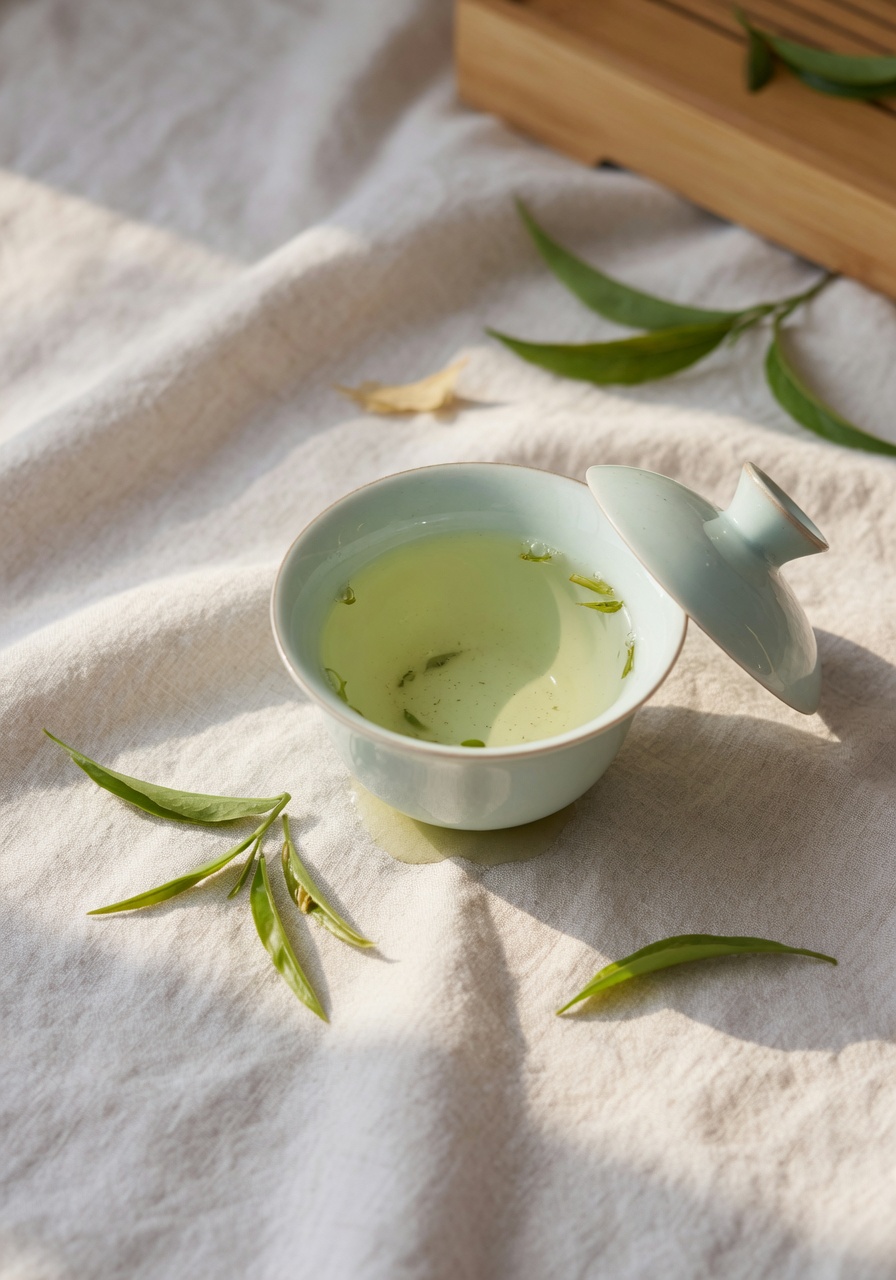
كمية EGCG الفعلية في كوب شاي حقيقي
تستخدم دراسات الكبسولات 300–800 مغ من EGCG. أما كوب شاي أخضر في غايوان واحد فيقدم جزءاً بسيطاً من ذلك — وهذا الفرق أكثر أهمية مما تعترف به معظم كتابات العافية.
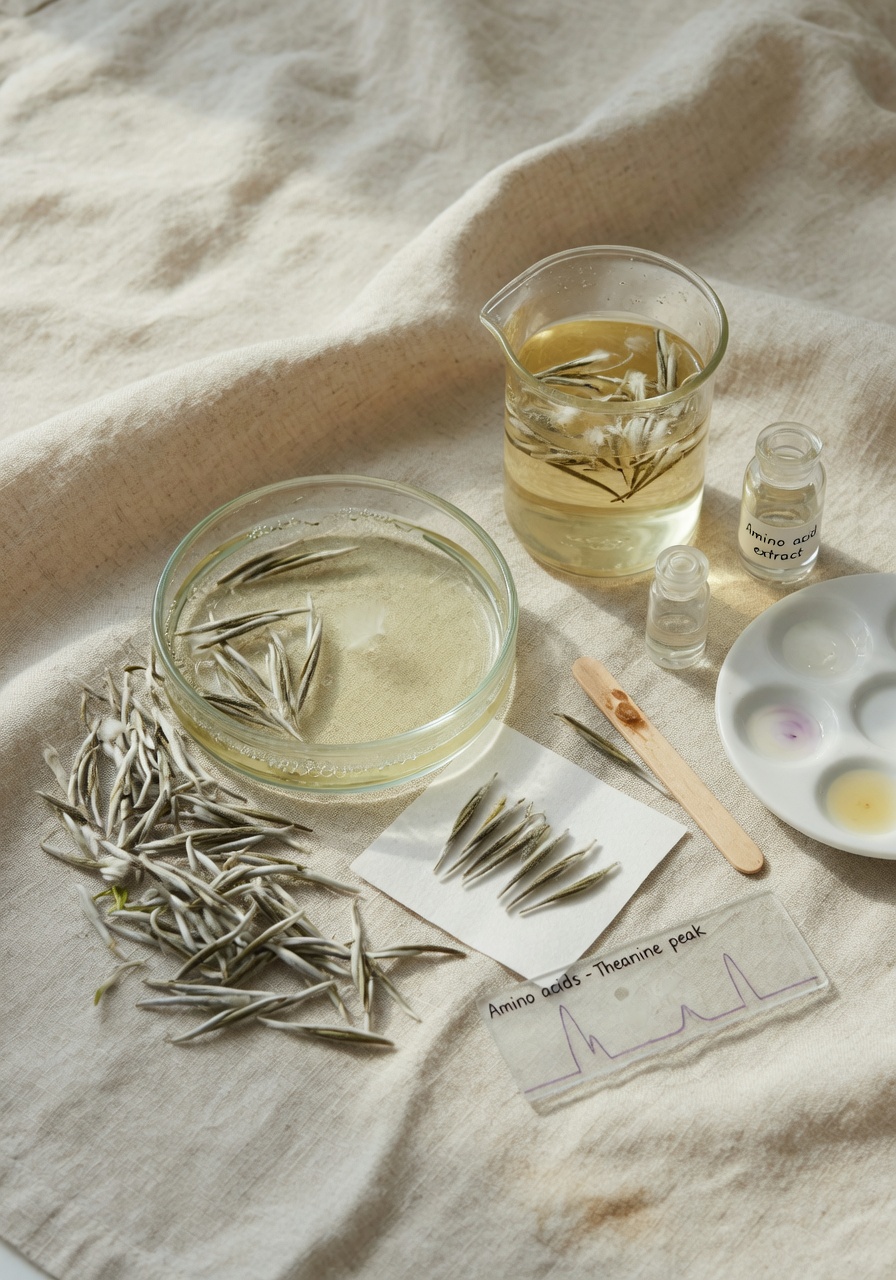
نسبة الثيانين إلى الكافيين — ما قاسته الدراسات
يصل إل-ثيانين إلى الدماغ. الكافيين يوقظه. السؤال المثير للاهتمام ليس ما إذا كان كل منهما يعمل بمفرده، بل ما تفعله النسبة بينهما — وما اختبرته تصاميم التجارب فعليًا.
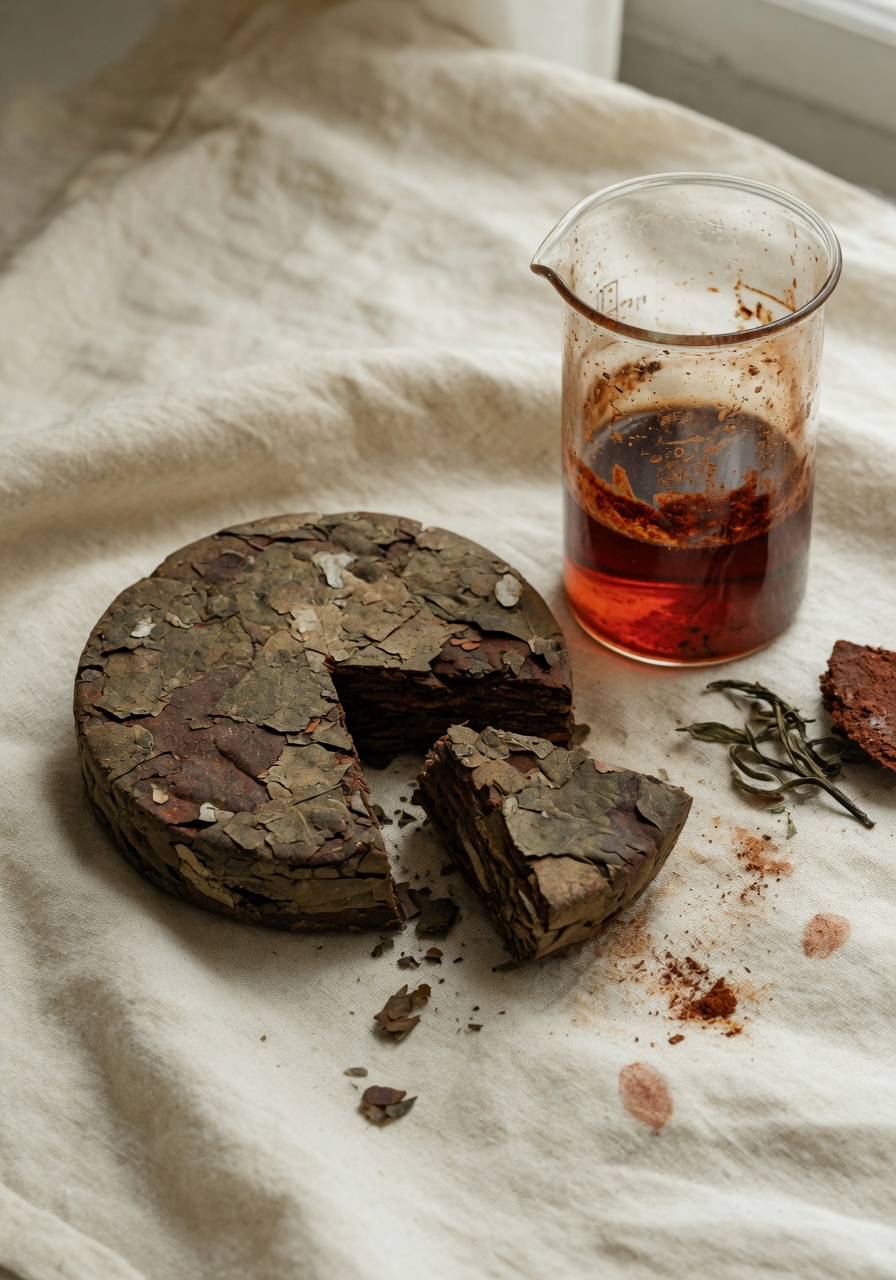
شاي السينج المعتق ودهون المصل — نظرة متفحصة على ورقة 2019
أفاد فريق جامعة كونمينغ الطبية بأن الثيابراونينات المستخلصة من شاي البو-إره خفضت الكوليسترول لدى الفئران. انتشرت الورقة بعيدًا — أحيانًا أبعد مما ينبغي. إليك ما قاسته، وما لم تقسه، وكيف يتناسب السنج المعتق مع الصورة.
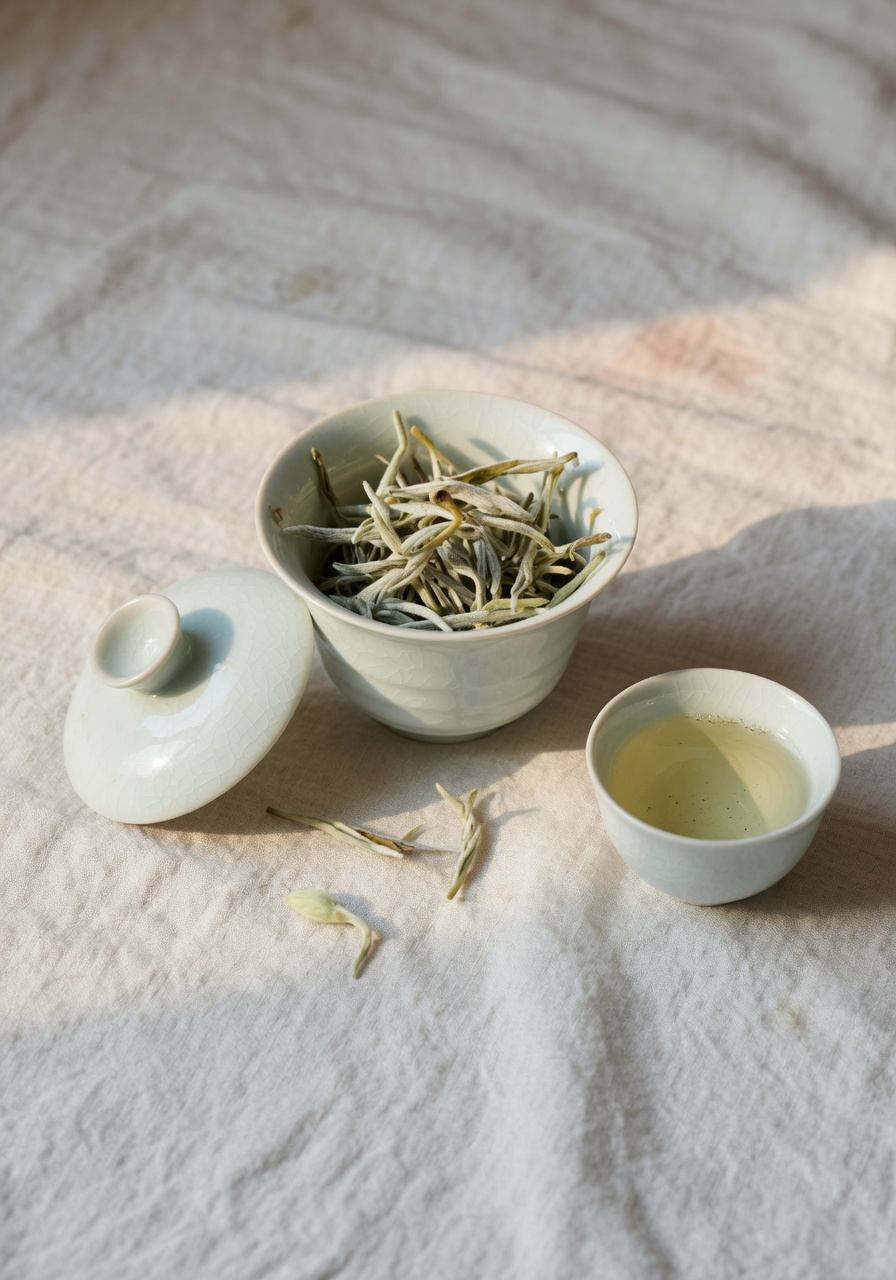
كم كوبًا أكثر مما ينبغي — مسألة سلامة الكلى
نظرة متزنة على الاستهلاك اليومي، وأوكسالات، وحمولة الكافيين، ومتى ينبغي لشاربي الشاي الصيني أن يخففوا السرعة — بدون مسرحيات طبية.