TRADITIONAL USES · MODERN RESEARCH
A reading room for Chinese tea and what the evidence actually says
You heard a claim about Chinese tea and health — green tea for blood pressure, pu-erh for cholesterol — and want the honest answer before you believe it. tea.doctor pairs each traditional benefit with peer-reviewed research — catechins, L-theanine, theabrownins, caffeine kinetics. We do not prescribe. We translate, cite, and let you read the studies yourself.
Read the source, then taste it — shop.teamotea.com →

Featured this week
Recent additions to the library
Theabrownins (aged tea)
Aged sheng and serum lipids — a measured look at the 2019 paper
Shēng Pǔ'ěr · 生普洱
A Shanghai–Hong Kong research team — often mis-credited to “Kunming Medical University” in tea-shop retellings — reported that theabrownins extracted from pu'er lowered cholesterol in mice, and ran a small human pilot besides. The paper travelled far, sometimes further than the data supports. Here is what it measured, what it did not, and how aged sheng fits into the picture.
Catechins and EGCG
EGCG bioavailability — what's measured in human plasma
Chá Duō Fēn · 茶多酚
What researchers actually find in blood after a cup of green tea — and why 200 mg of EGCG in the cup doesn’t equal 200 mg in plasma.
Hydration, caffeine, kidney safety
How many cups is too many — the kidney-safety question
A measured look at daily intake, oxalates, caffeine load, and when Chinese tea drinkers should slow down — without the medical theatre.
By topic
10 topics
Where the heart meets the leaf — Chinese tea and the cardiovascular system
Catechins, and the curious case of EGCG
Chá Duō Fēn · 茶多酚
Dental health and tea — separating facts from stains
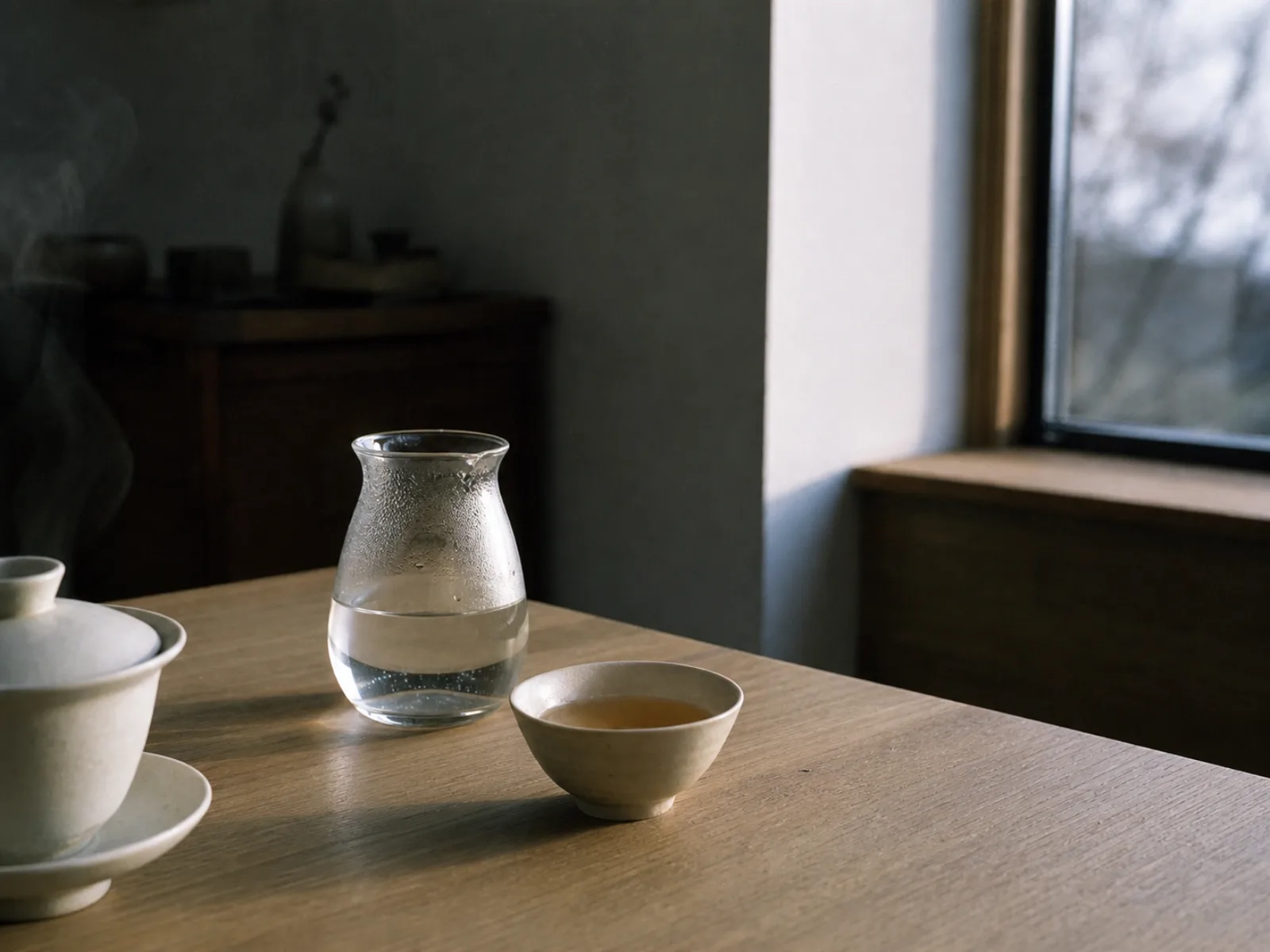
How much tea is too much tea
How oxidation transforms tea’s polyphenols from leaf to cup
Duō Fēn · 多酚
Tea, caffeine, and the journey through pregnancy and breastfeeding
How Chinese teas shape the gut microbiome
What the science says about tea’s effect on sleep architecture
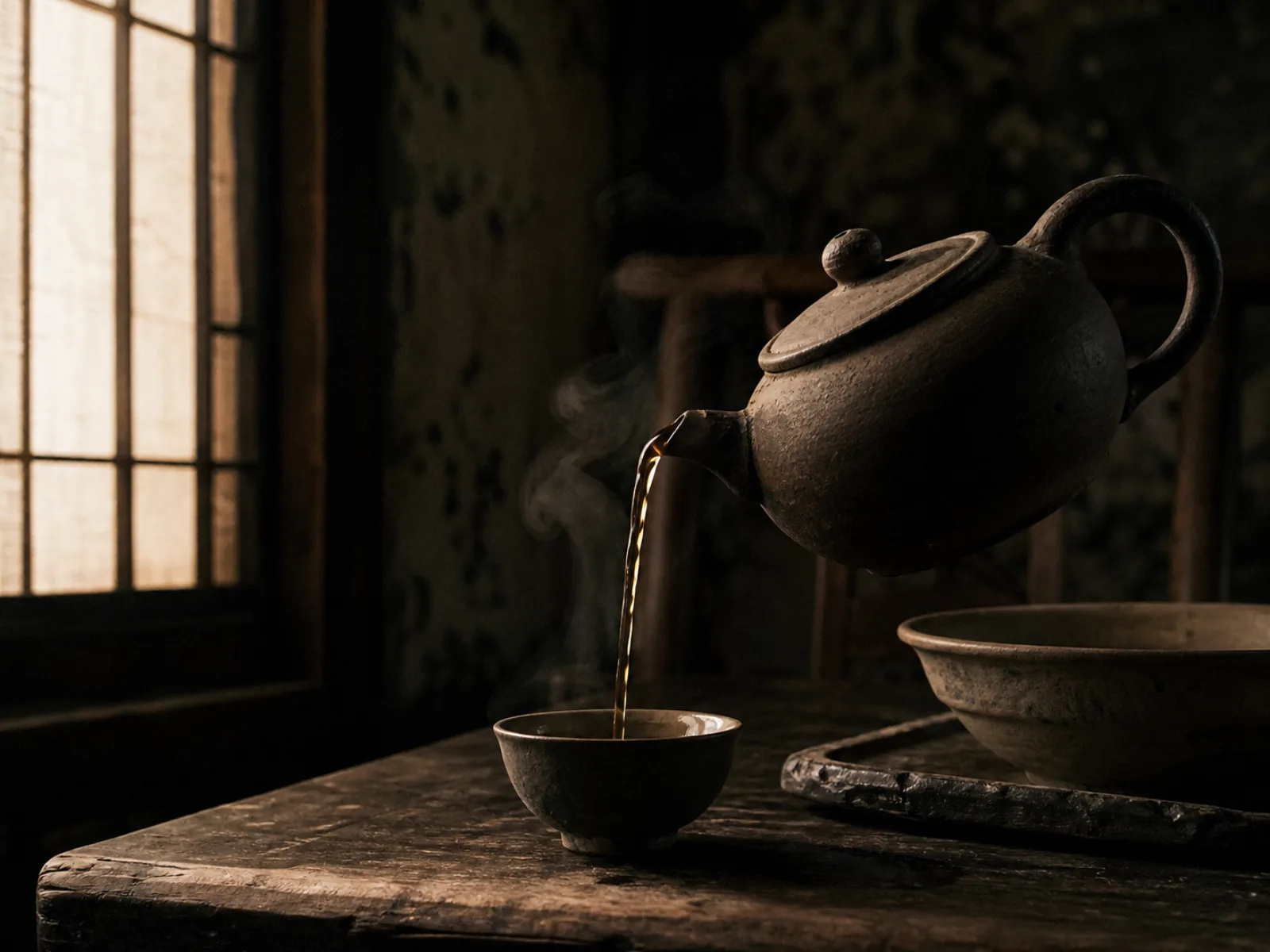
Theabrownins — the dark molecules of aged tea
chá hè sù · 茶褐素