TRADITIONAL USES · MODERN RESEARCH
A reading room for Chinese tea and what the evidence actually says
tea.doctor catalogues Chinese tea by traditional benefit and pairs each entry with peer-reviewed research — catechins, L-theanine, theabrownins, caffeine kinetics. We do not prescribe. We translate, cite, and let you read the studies yourself.
Featured this week
Recent additions to the library
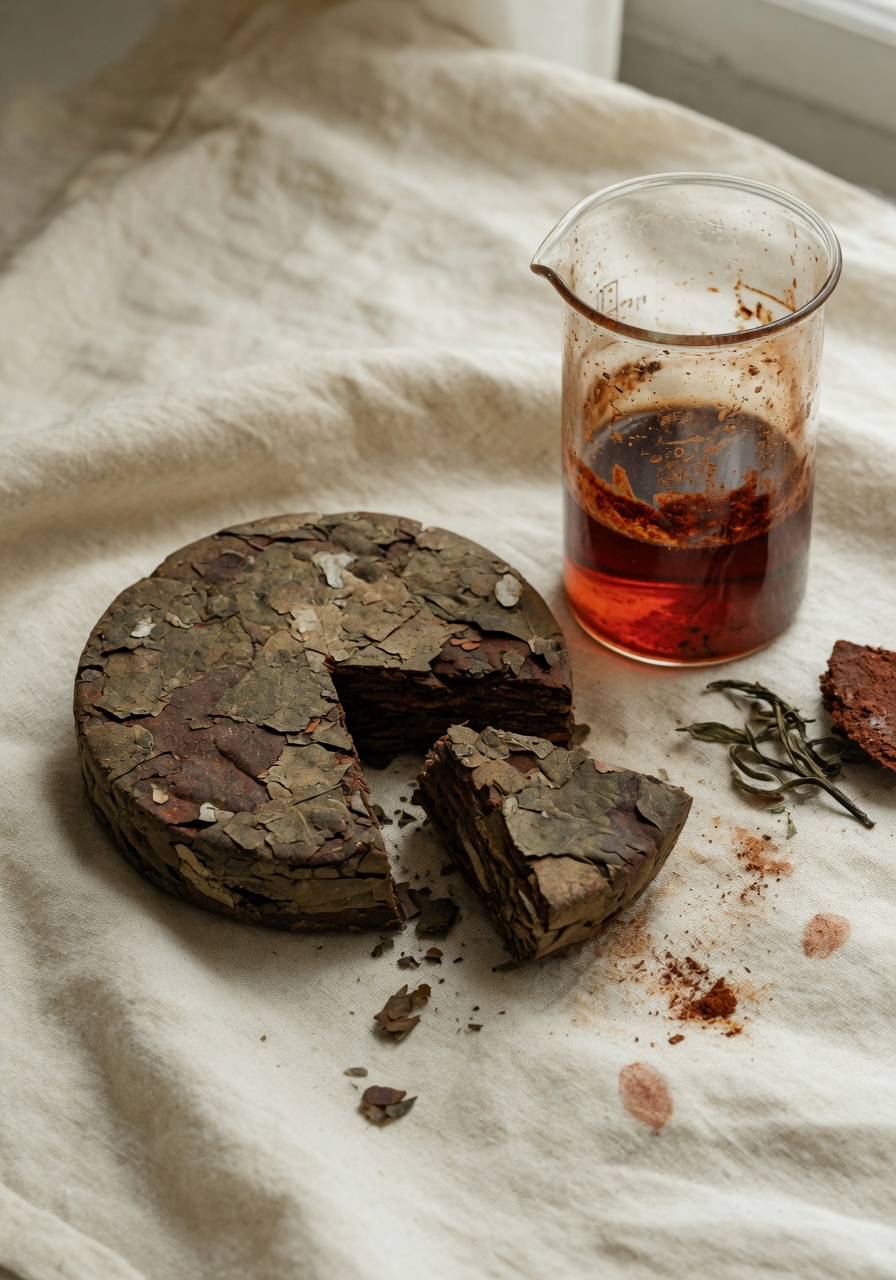
ثيابراونينات (الشاي المعتق)
شاي السينج المعتق ودهون المصل — نظرة متفحصة على ورقة 2019
Shēng Pǔ'ěr · 生普洱
أفاد فريق جامعة كونمينغ الطبية بأن الثيابراونينات المستخلصة من شاي البو-إره خفضت الكوليسترول لدى الفئران. انتشرت الورقة بعيدًا — أحيانًا أبعد مما ينبغي. إليك ما قاسته، وما لم تقسه، وكيف يتناسب السنج المعتق مع الصورة.
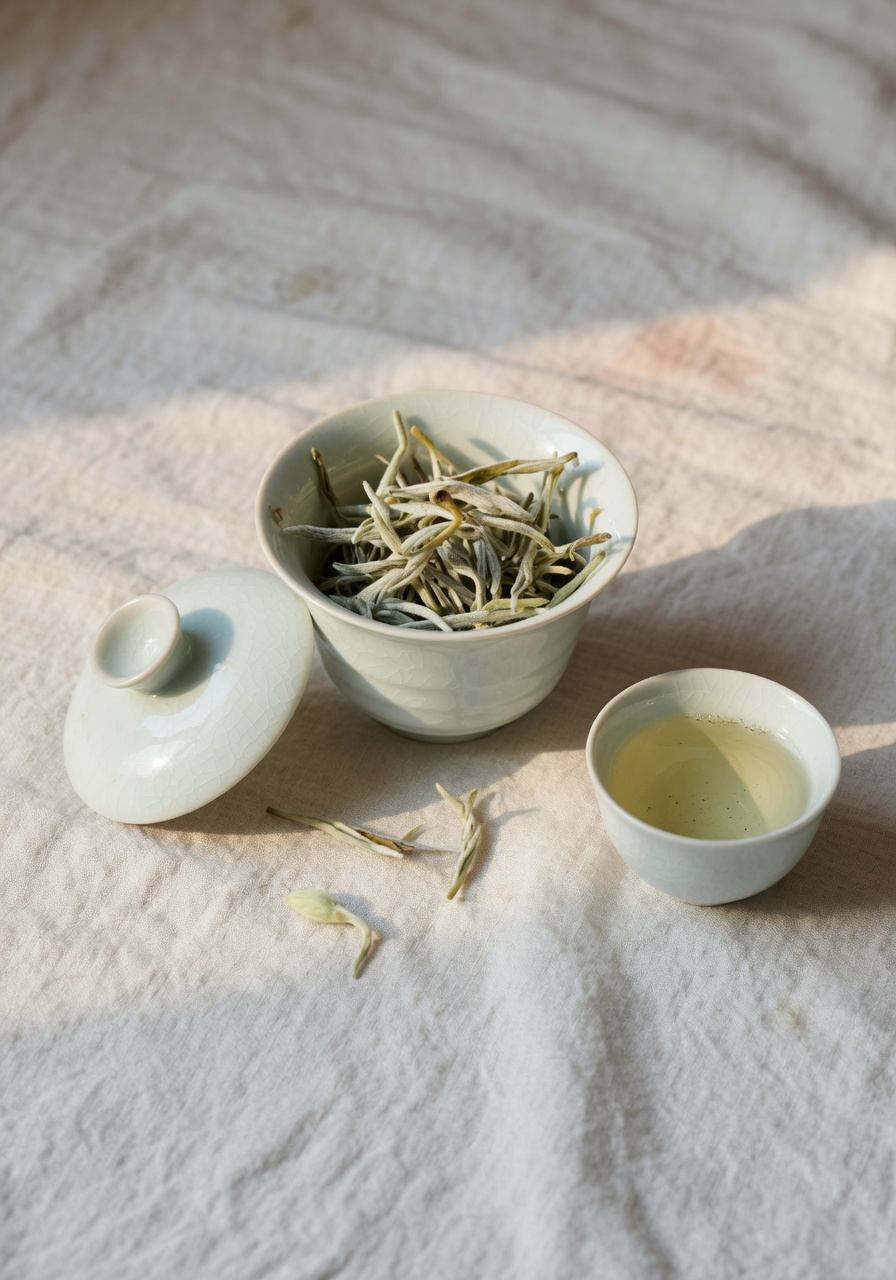
الترطيب، الكافيين، سلامة الكلى
كم كوبًا أكثر مما ينبغي — مسألة سلامة الكلى
نظرة متزنة على الاستهلاك اليومي، وأوكسالات، وحمولة الكافيين، ومتى ينبغي لشاربي الشاي الصيني أن يخففوا السرعة — بدون مسرحيات طبية.
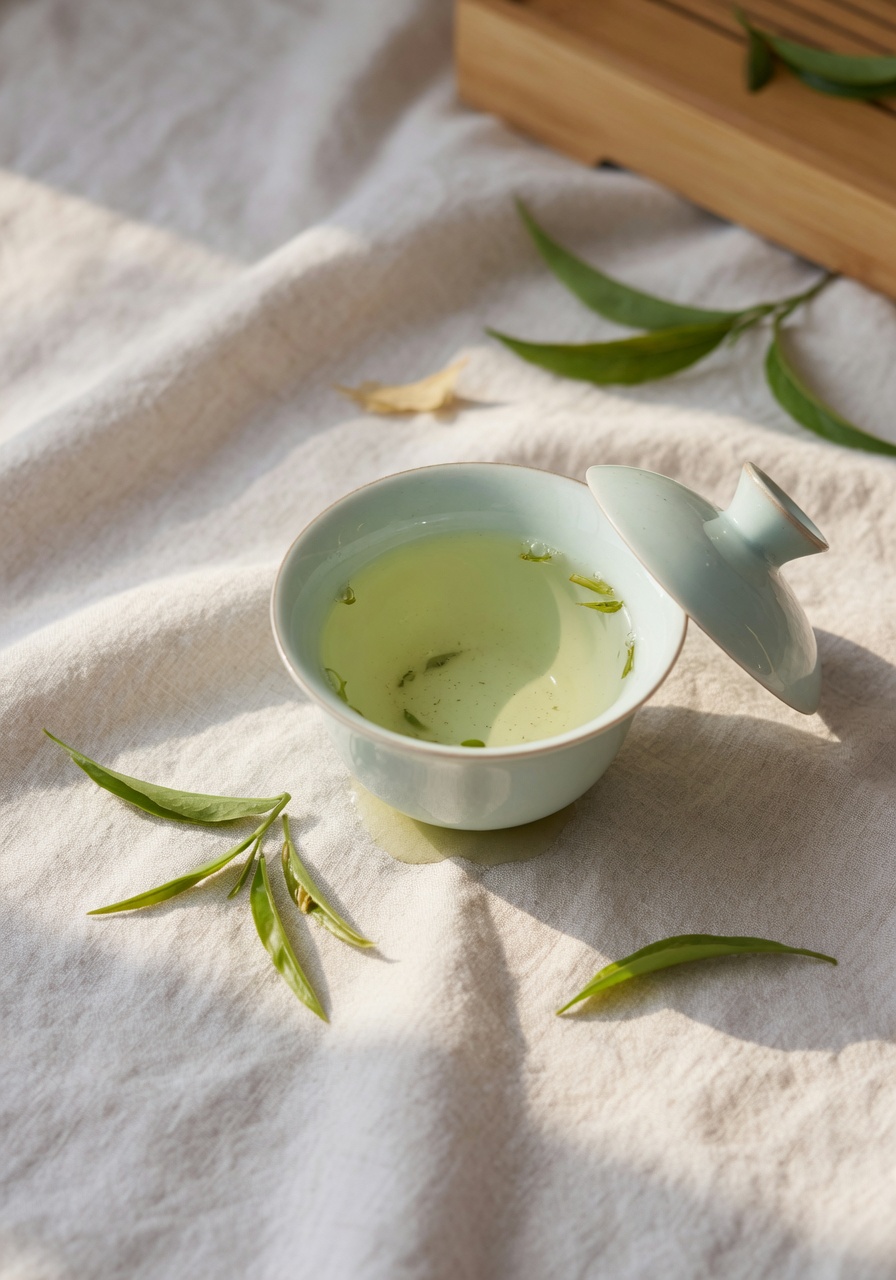
الكاتيشينات و EGCG
كمية EGCG الفعلية في كوب شاي حقيقي
Chá Duō Fēn · 茶多酚
تستخدم دراسات الكبسولات 300–800 مغ من EGCG. أما كوب شاي أخضر في غايوان واحد فيقدم جزءاً بسيطاً من ذلك — وهذا الفرق أكثر أهمية مما تعترف به معظم كتابات العافية.
By topic
50 topics
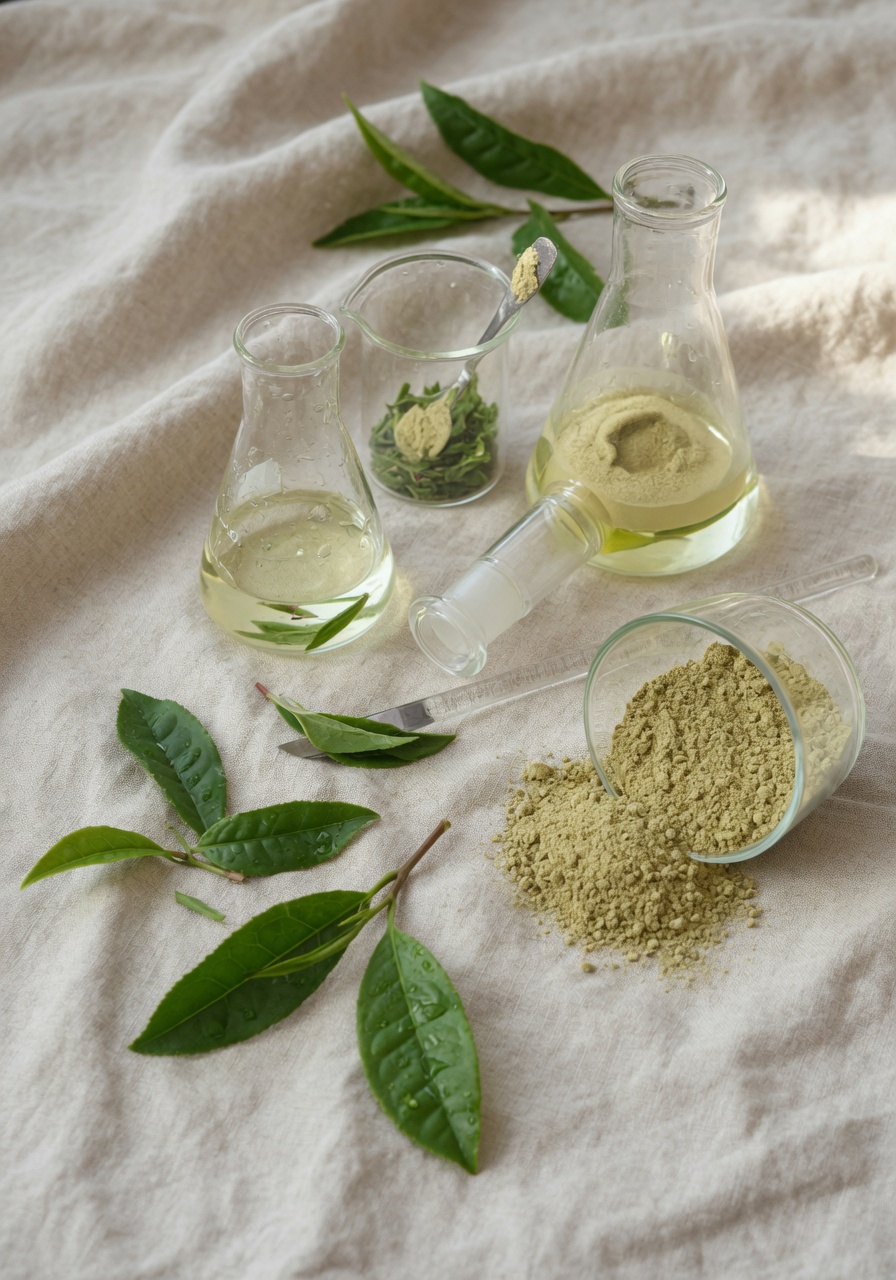
الكاتيشينات، والحالة الغريبة لـ EGCG
Chá Duō Fēn · 茶多酚
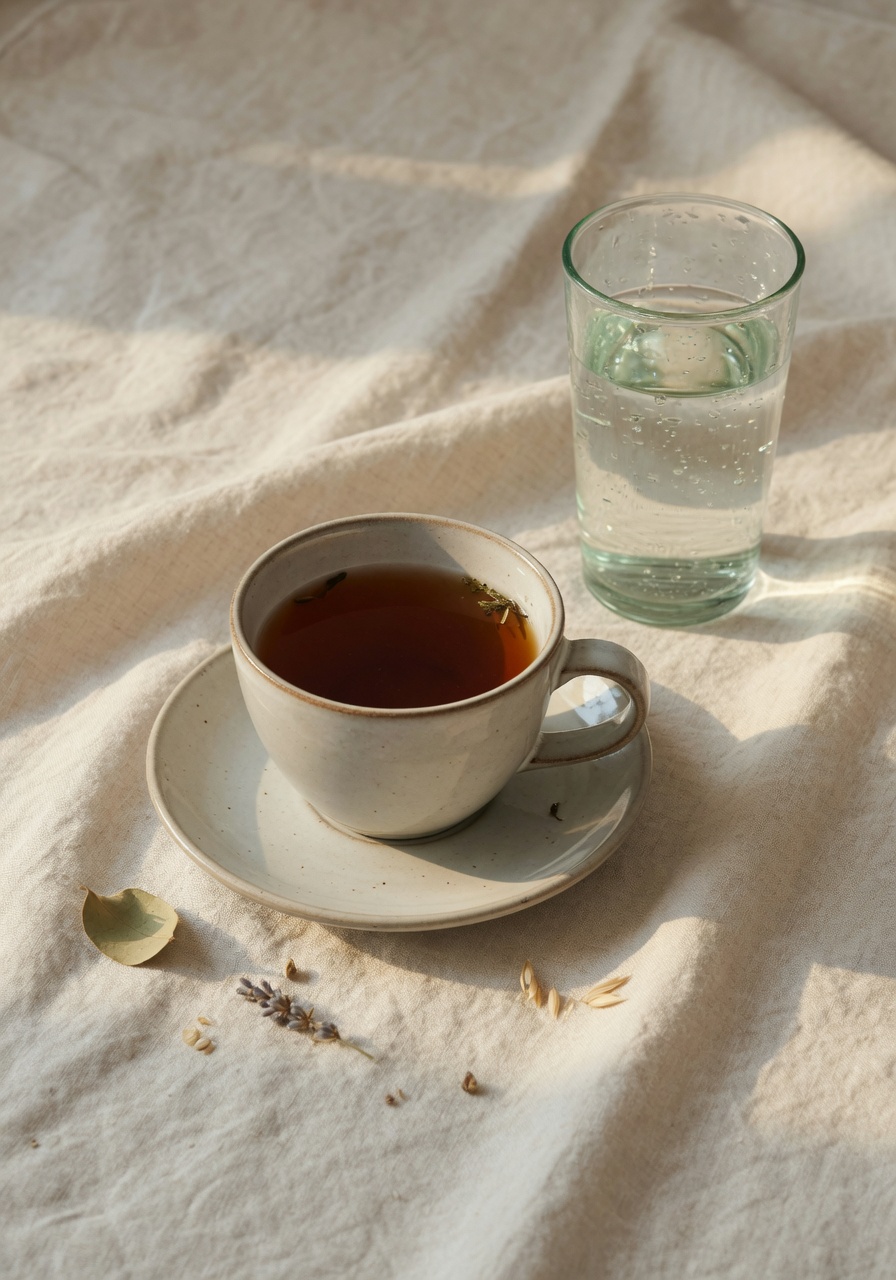
ما كمية الشاي التي تُعتبر مفرطة
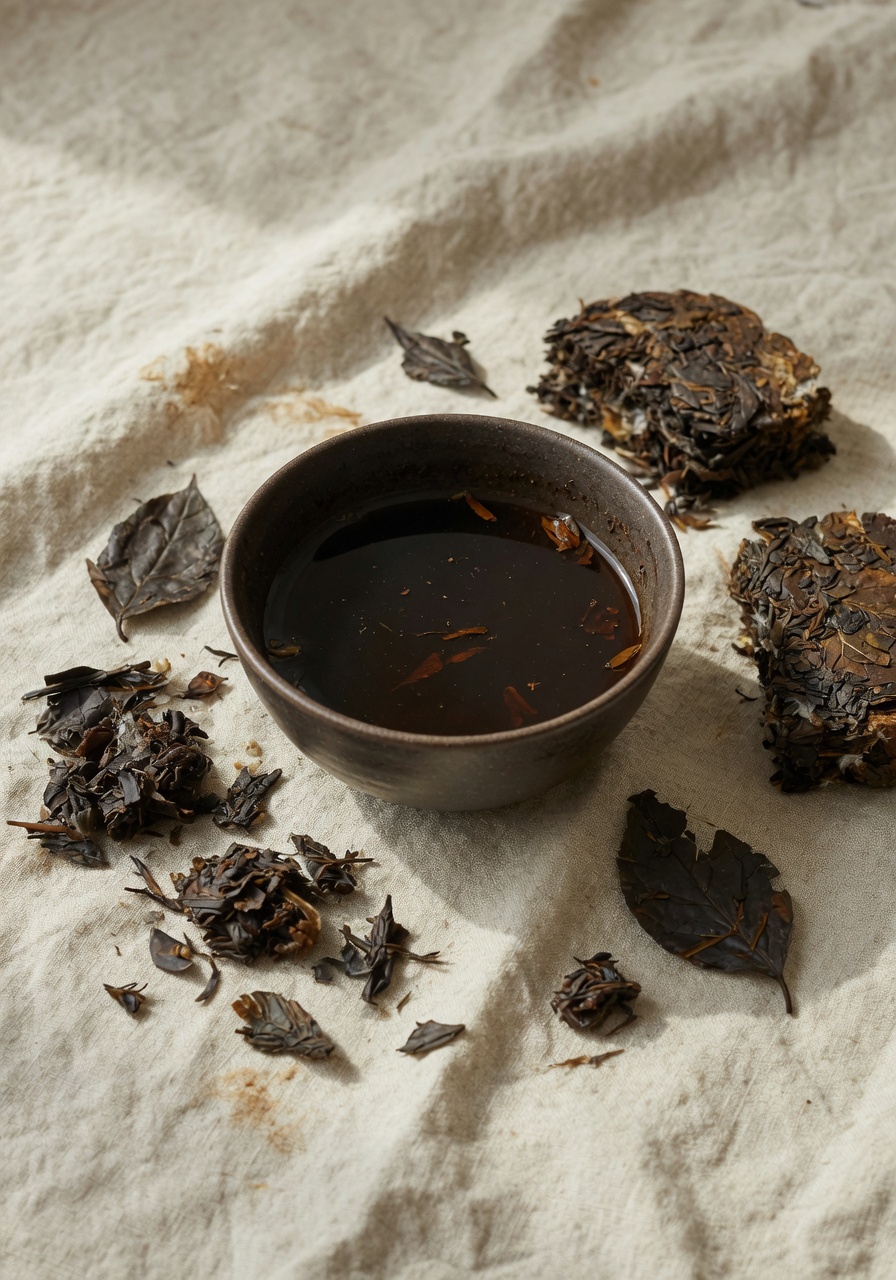
الثيابراونينات — الجزيئات الداكنة للشاي المعتّق
chá hè sù · 茶褐素
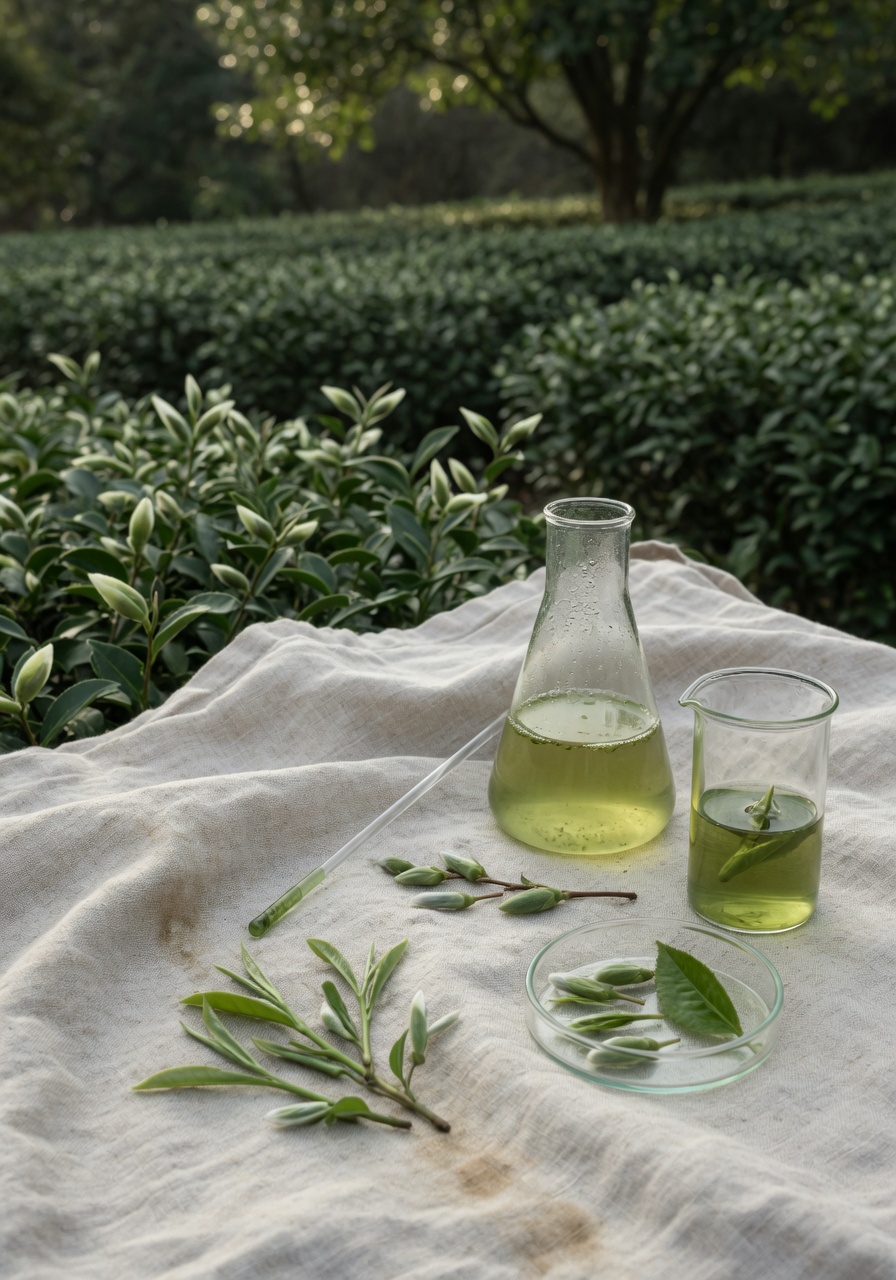
الحمض الأميني الهادئ الذي يعبر إلى الدماغ
Where the heart meets the leaf — Chinese tea and the cardiovascular system
Catechins, and the curious case of EGCG
Chá Duō Fēn · 茶多酚
Dental health and tea — separating facts from stains
How much tea is too much tea
How oxidation transforms tea’s polyphenols from leaf to cup
Duō Fēn · 多酚
Tea, caffeine, and the journey through pregnancy and breastfeeding
How Chinese teas shape the gut microbiome
What the science says about tea’s effect on sleep architecture
Theabrownins — the dark molecules of aged tea
chá hè sù · 茶褐素
The quiet amino acid that crosses into the brain
Catequinas, y el curioso caso del EGCG
Chá Duō Fēn · 茶多酚
Cuánto té es demasiado té
Teabrowninas — las moléculas oscuras del té añejo
chá hè sù · 茶褐素
El aminoácido silencioso que entra en el cerebro
Les catéchines et le cas curieux de l'EGCG
Chá Duō Fēn · 茶多酚
Quelle quantité de thé est trop de thé
L'acide aminé silencieux qui passe dans le cerveau
Где сердце встречает лист — китайский чай и сердечно-сосудистая система
Катехины и любопытный случай EGCG
Chá Duō Fēn · 茶多酚
Здоровье зубов и чай — отделяем факты от пятен
Сколько чая — слишком много чая
Как окисление трансформирует полифенолы чая от листа до чашки
Duō Fēn · 多酚
Чай, кофеин и путешествие сквозь беременность и грудное вскармливание
Как китайские чаи формируют микробиом кишечника
Что говорит наука о влиянии чая на архитектуру сна
Теабраунины — тёмные молекулы выдержанного чая
chá hè sù · 茶褐素
Тихая аминокислота, которая проникает в мозг
当心脏与茶叶相逢 — 中国茶与心血管系统
儿茶素,以及EGCG的奇特案例
Chá Duō Fēn · 茶多酚
牙齿健康与茶 — 区分事实与染色
氧化作用如何转化茶的多酚,从叶片到茶杯
Duō Fēn · 多酚
茶、咖啡因,以及怀孕与哺乳的旅程
中国茶如何塑造肠道微生物群
科学如何看待 茶对睡眠结构的影响
茶褐素 — 陈年茶叶的暗色分子
chá hè sù · 茶褐素
能穿过血脑屏障的宁静氨基酸
當心臟與茶葉相逢 — 中國茶與心血管系統
兒茶素,以及EGCG的奇特案例
Chá Duō Fēn · 茶多酚
牙齒健康與茶 — 區分事實與染色
多少茶算是太多的茶
氧化作用如何轉化茶的多酚,從葉片到茶杯
Duō Fēn · 多酚
茶、咖啡因,以及懷孕與哺乳的旅程
中國茶如何塑造腸道微生物群
科學如何看待 茶對睡眠結構的影響
茶褐素 — 陳年茶葉的暗色分子
chá hè sù · 茶褐素
能穿過血腦屏障的寧靜氨基酸
Newer reading
More from the catalogue
- — 01 الشاي أثناء الحمل — ما تقوله الأدبيات الطبية في أمراض النساء والتوليد
- — 02 شو بو إير والميكروبيوم المعوي — دراسات صغيرة، ادعاءات كبيرة
- — 03 نسبة الثيانين إلى الكافيين — ما قاسته الدراسات
- — 04 Aged sheng and serum lipids — a measured look at the 2019 paper
- — 05 Aged tea as an evening routine — what the small studies show
- — 06 EGCG bioavailability — what's measured in human plasma